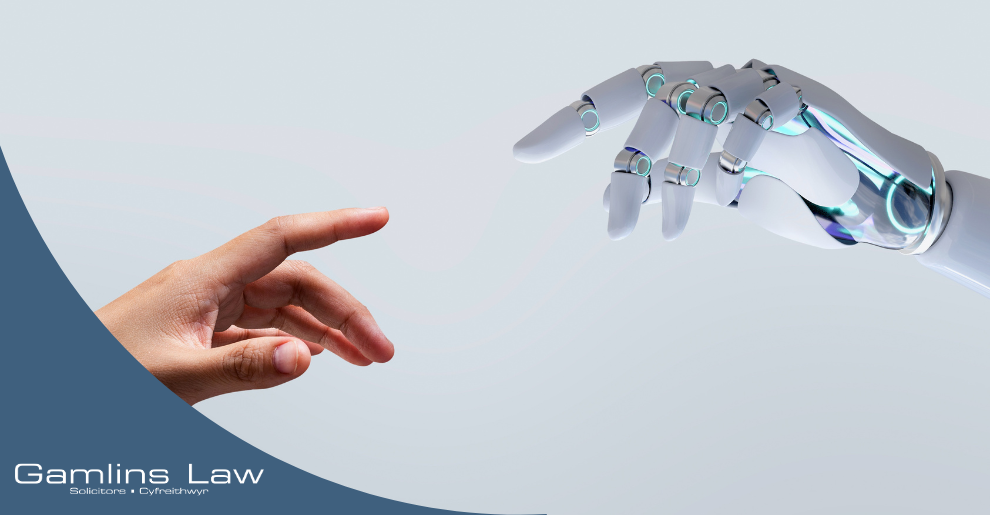
Artificial intelligence has reached the point where a convincing conversation with someone who has died is no longer the stuff of science fiction. Trained on old messages, voice notes, photographs and video, a “ghost bot” can greet you in a familiar voice, answer questions in a familiar style, and, with the newer generation of tools, generate fresh conversation rather than simply replaying recordings.
For some, the prospect is comforting. For others, it is unsettling. Either way, it raises questions that very few wills and very few families have ever been asked to consider. This article examines what ghost bots are, why they are causing concern, and where the law in England and Wales stands.
What ghost bots are
Ghost bots, sometimes called grief bots, are AI systems designed to simulate a deceased person. Older versions were closer to a digital scrapbook, replaying recorded messages on request. Newer versions are generative: they can produce entirely new speech and, in some cases, synchronised video, generating conversations the person never actually had. A modest but growing “digital afterlife” industry is building on the same large language model technology that powers everyday AI assistants.
Why this is causing concern
The concerns cluster around three themes.
The first is consent. Most people alive today have left a substantial digital footprint without ever being asked whether they would want an AI version of themselves to continue speaking after their death.
The second is accuracy. A ghost bot produces something that sounds like the person but is, in fact, an algorithmic approximation. It can put words in their mouth that they would never have said, express views they did not hold, or misrepresent their relationships with those still living.
The third is the impact on grief. Researchers and clinicians have cautioned that prolonged interaction with a simulated loved one may interfere with healthy mourning, and that unsolicited contact, for example, a message delivered in the deceased’s voice on an anniversary, can cause real distress. There are also concerns that vulnerable people may be targeted for commercial gain at the point of loss.
Where the law stands in England and Wales
There is no specific UK statute governing ghost bots or the wider digital afterlife. The position has to be pieced together from rules designed for other purposes.
Data protection is the most commonly misunderstood aspect of the picture. The Information Commissioner’s Office confirms that the UK GDPR applies only to living individuals, so information about someone who has died is not personal data for these purposes. That means the data protection framework most people expect to apply does not. However, any living person whose personal data is included in the training material (for example, a surviving spouse whose messages are included) retains their full rights.
Copyright is the most useful tool in practice. Under the Copyright, Designs and Patents Act 1988, copyright in a person’s original writings, photographs, recordings and similar material lasts for 70 years from the end of the year in which they died and forms part of the estate. A developer who trains a bot on those materials without the estate’s permission may infringe copyright, and the estate can enforce it.
There is no standalone “image right” in English law, but other doctrines fill parts of the gap. Passing off can help where a well-known identity is used commercially without authorisation. Misuse of private information may apply where intimate or confidential material has been used. Defamation cannot be committed against someone who has died, but a bot that makes false statements damaging the reputation of a living family member could be actionable by that person.
The Law Commission has been considering wider reform of the law of wills, and academic work in the UK has proposed dedicated rules for post-mortem privacy and digital remains. None of this has yet reached the statute book.
Planning ahead
There are sensible steps that can be taken now, well in advance of any legislation catching up.
When making or reviewing a will, it is worth including clear instructions about digital remains: what should happen to accounts and content, who should have authority to act, and whether the estate should license any material for AI training or refuse all such use. A solicitor can draft this in language that executors and platforms can work with.
The major platforms also offer tools that most users have never activated. Google has Inactive Account Manager, Facebook offers a Legacy Contact, and Apple has Digital Legacy. Used alongside a will, these tools can make it much easier for family members to manage an account in line with the deceased’s wishes.
It is also worth briefing executors. Digital assets sit awkwardly between property, data and contract, and an executor who does not know which accounts existed, let alone what the deceased wanted done with them, will struggle to act.
If a bot appears without consent
Families confronted with an unauthorised digital replica of a loved one have more options than is sometimes assumed. A takedown request to the relevant platform is usually the quickest route. If the bot has been trained on the deceased’s copyrighted material, the estate can bring a copyright infringement claim. In more sensitive cases, a solicitor-led cease-and-desist is often effective, particularly where a commercial provider is involved.
A sensible next step
For most people, the practical approach is to include digital legacy in the same conversation as the rest of their estate planning. If you are preparing or updating your will, or if you are concerned about how a deceased family member’s online presence might be used, get in touch with your solicitor.
For further information, contact our team here.