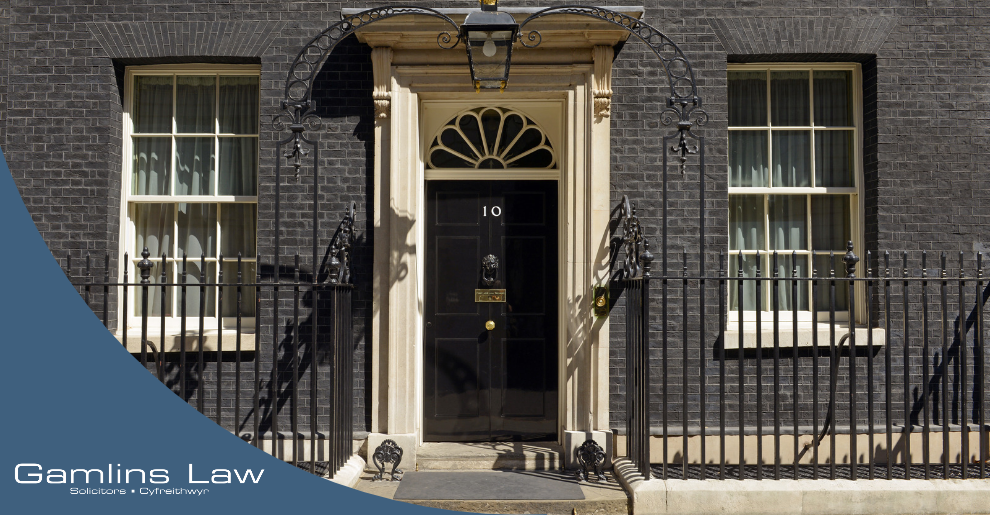
The Chancellor’s first Budget was a quiet one, with no leaks beforehand and few surprises on the day. In a style suited to his former role as Defence Secretary, John Healey prepared his debut Budget under tight security. There were no leaks, no warning shots fired in advance and, in the end, no great surprises.
The quieter run-up was welcome after the disruption of last year. The small print, though, carries some tough implications for business, and the detail matters more than the headlines.
Mr Healey took on the role unexpectedly in July. His starting point was Prime Minister Andy Burnham’s economic vision: greater devolved power, more support for households struggling with the cost of living, and incentives to encourage businesses to set up and stay in the UK. He also had to work within tight limits. The Office for Budget Responsibility has confirmed weaker than expected growth forecasts of 1.2% this year, 1.1% next year and 1.6% in 2028. Inflation is running at 3.5%, government borrowing stands at a record £3 trillion and the cost of that borrowing is at levels not seen for decades. With the ongoing invasion of Ukraine and the war in the Middle East still buffeting the economy, the Chancellor chose fiscal discipline over big gestures and delivered a raft of smaller measures instead, creating winners and losers across the economy.
The biggest announcements were aimed squarely at business: investment, backing a new generation of wealth creators, boosting the construction sector, and new initiatives to expand the UK’s artificial intelligence and national defence industries. Rather than run through the speech in order, this article looks at what the measures mean depending on the kind of business you run.
If you are planning to sell or pass on your business
The most significant change for established business owners is a cut to Business Asset Disposal Relief (BADR). From April 2027, the lifetime limit for capital gains eligible for the relief falls from £1 million to £500,000. The Chancellor points out that 75% of claimants will still receive relief on their entire gain, but for anyone whose exit was likely to exceed the new limit, this is another important shift in the transition and succession cycle of business.
For those at the other end of the journey, a new Founders’ Relief is designed to incentivise high-growth start-ups. From 6 April 2027 it will offer a reduced 10% rate of capital gains tax on up to £10 million of lifetime gains, with targeted support for women-owned scale-up businesses alongside it.
Taken together, the two measures reward early planning. Whether you are incorporating a new venture or thinking about a sale, merger or retirement, Gamlins’ Company Law team advises on business structures, shareholder agreements and the buying and selling of companies and businesses.
If you employ staff
Employers will need to find extra cash to manage a 3.9% increase in the National Minimum Wage and the National Living Wage from next April. It arrives at a busy time, with many businesses still adjusting to the new union access rights covered in Employers face new trade union access rights from 30 October.
The government also wants skilled labour to move more freely. It plans to do this through additional visas and through a restriction on non-compete clauses when employees move on. If your contracts rely on post-termination restrictions to protect client relationships or confidential information, it would be sensible to have them reviewed. Gamlins’ Employment Law team can advise on what the change is likely to mean in practice.
If you run a pub, club or live music venue
Hospitality and leisure businesses were among the clearer winners. From 1 April 2027, business rates relief for high street pubs, social clubs and live music venues increases from 20% to 35%, and the small business rates relief threshold is extended to £18,000. Gambling and vape shops will fund the reduction.
Business rates are a devolved matter in Wales, so businesses here should watch for the Welsh Government’s response before counting on an equivalent saving.
Whatever happens to the rates bill, it is only part of the cost of occupying premises. Gamlins’ Commercial Property team advises on leases, renewals and the terms you sign up to, and occupiers in shared buildings may find Service charge disputes in mixed-use developments: who pays for what? a useful read.
If you let residential property
Landlords face a higher tax bill. For 2027/28, the rates of income tax applied to property income increase by 2%, making the property basic rate 24% and the higher rate 44%. The property additional rate will be 49%. Anyone reviewing the economics of a rental portfolio in light of the change can speak to Gamlins’ Landlord & Tenant team.
If energy bills are squeezing your margins
Tackling energy costs for both households and business was a high priority. From April next year, more than 10,000 eligible manufacturers will receive support to cut their electricity bills and bring their costs closer to those of competitors in other European economies, which will be welcome news for manufacturers across North Wales. A £2 billion Energy Wealth Fund will invest in renewable and low-carbon energy infrastructure across the UK to support the low-carbon economy, and the 2027 spending review will set targets designed to drive energy bills down over the next ten years.
If you invest in equipment or sell online
The main rate of writing down allowances will be cut by 2% to 12% from April 2027. Set against that, first year allowances for new investment rise from 40% to 50% from January 2027, so there is an incentive to bring forward planned investment rather than wait.
Online retailers will be required to collect VAT from UK sellers whose businesses make more than £90,000 of sales through their marketplace, and HMRC gains new powers to collect unpaid taxes. The banking sector will also contribute to the wider economy through a temporary increase in the Bank Corporation Tax surcharge to 6% from 1 January 2027 to 31 March 2028, returning to 3% from 1 April 2028.
If you want to sell to the public sector
There may be opportunities ahead for businesses willing to pitch for government work. The government intends to use strategic public procurement to back British firms, and a new definition of what it means to be a UK supplier is expected shortly, to overcome the broad definitions that have allowed companies with no real base in the country to be classed as UK firms.
The push on artificial intelligence continues, with an additional £80 million for Sovereign AI’s R&D Procurement Scheme to create more opportunities for innovative companies to work directly on AI solutions to tackle challenges across the health and care system, AI security and safe adoption. On defence, next year’s spending review will set out how the government will achieve its NATO commitment of spending 3.5% of GDP on defence by 2035, with a target of 3% in 2030.
Businesses operating in the AI and defence sectors should be assessing their readiness to pitch for government contracts or to form industry partnerships, as aligning with these strategic areas could unlock future growth and resilience. Sound corporate governance, credible sustainability targets and a supply chain that can withstand scrutiny all help to prepare a company for the rigours of public procurement.
Devolution, fuel duty and the rest
In a major step towards the Prime Minister’s devolution ambitions, the Chancellor set out a roadmap to future fiscal devolution, describing it as ‘the biggest transfer of power and resources out of Whitehall in a generation’. It will include regional funding to prioritise investment in local growth and regeneration projects.
Advance Corporation Tax will be repealed from 1 April 2031. The 5p cut in fuel duty has been extended to July 2027, and there are new mileage rates for employees and self-employed people who use their own vehicles for work, with a permanent increase in the tax-free rate to 55p per mile for the first 10,000 business miles for cars and vans.
The full Budget speech delivered by Chancellor John Healey and the accompanying Budget documents are available on GOV.UK.
Where to go from here
Most of the measures in this Budget take effect in 2027, which leaves time to plan but not to delay. Business owners considering a sale should look at how the BADR changes affect their timing. Employers should build the wage increase into next year’s budgets and review any non-compete clauses in their contracts. Occupiers and landlords should check how the rates and income tax changes alter the economics of their property.
For more information or advice, contact our Company Law team.
This article is for general information only and does not constitute legal advice.