This is one of the questions we get asked most often, and it causes more last-minute disappointment than almost anything else in a residential sale. The short answer is that the line between what stays and what goes is not always obvious – and assumptions on both sides are where the trouble usually starts.
The general legal principle is that anything permanently attached to the property – known as a fixture -passes with the sale unless the seller specifically says otherwise. Anything that is freestanding or can be removed without causing damage – known as a chattel – belongs to the seller and can be taken unless they agree to leave it.
In practice this means fitted kitchens, built-in wardrobes, bathroom suites, light fittings and anything bolted to walls or floors would typically stay. Freestanding furniture, curtains, freestanding appliances and garden ornaments would typically go.
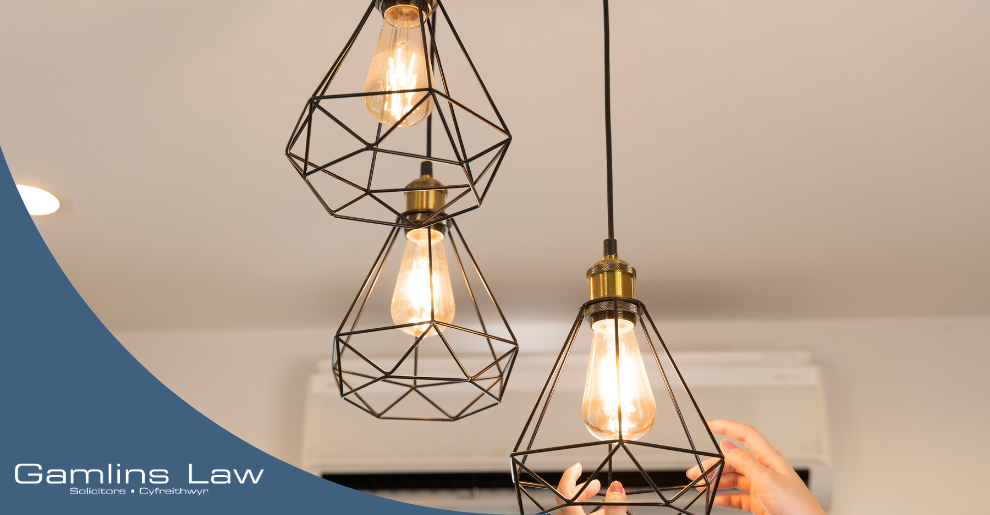
But the honest answer is that it is rarely that clean. Light fittings are a classic example – technically a fixture, but sellers frequently remove them and replace them with bare bulbs. Garden items cause similar confusion. A shed bolted to a concrete base is arguably a fixture; a greenhouse can go either way.
This is exactly why the fixtures and fittings form (formally known as the TA10) exists. Sellers complete it at the start of the transaction, setting out item by item what is included in the sale, what is excluded and what might be available to purchase separately. Buyers should read it carefully rather than assuming anything. If something matters to you – a particular light fitting, the garden pergola, the integrated appliances – check the form, and if it is not listed as included, ask the question before exchange rather than on moving day.
For further information please contact our Residential Conveyancing team